
Are you looking for examples of Biography Writing for WBBSE Class 9 and 10, no worries, you’ve come to the right place! Our post provides 10 Biography Writing samples. Biography is the life story of a person. Students of class 10 from WBBSE have to write a biography based on the cue given in the question. If you have any details about the personality, those can be added. Be sure to add only true and verified information, otherwise stick to the cues given in the question. Here we have compiled 10 examples of biography writing topic so that students can get an idea of how to attempt the question.
Related: Biography Writing Format, Types, Examples and Exercises
Here we go….
Biography Writing 10 Examples
Q1. Study the following points and write a short biographical sketch of ‘William Shakespeare’, the greatest of English dramatists.
Points:
Birth: 23rd April 1564 at Startford-on-Avon, England.
Parentage: John Shakespeare and Mary Arden.
Education: Stratford Grammar School.
Wife: Anne Hathaway.
Creations: Sonnets, dramas.
Comedies: ‘As you Like It’, Merchant of Venice’, ‘Twelfth Night’, ‘Much Ado about Nothing’, etc.
Tragedies: ‘Macbeth’, ‘Hamlet’, ‘Othello’, ‘King Lear’.
Death: 23rd April 1616.
Answer: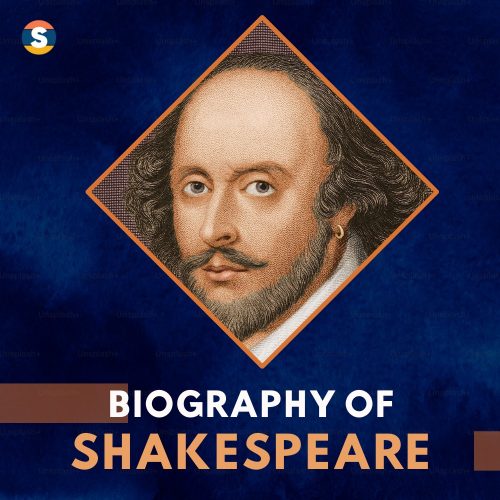
William Shakespeare, the greatest dramatist of all times
William Shakespeare was a great poet and the greatest of English dramatists. He is said to have been born at Startford-on-Avon on 23rd April 1564 which happens also to be the date of his death in 1616. John Shakespeare and Mary Arden were his proud parents.
Young Shakespeare attended the Stratford grammar school. William married a certain Anne Hathaway of Stratford.
In 1584 Shakespeare left his native town and wandered through the country for fortunes and in 1592 he finally appeared as a rising actor in the theatres of London.
He wrote thirty-eight dramas in all. Of his great comedies, ‘As You Like It,’ ‘Merchant of Venice’, ‘Twelfth Night’, ‘Much Ado About Nothing’, etc. deserve or merit mention. ‘Macbeth’, ‘King Lear’, ‘Hamlet’, ‘Julius Caesar’ and ‘Othello’ are some of the great Shakespearean tragedies. Many of his writings have been used as movie adaptations.
He wrote 154 great sonnets and several lyrics that are found throughout his plays. If Shakespeare had not been the greatest English dramatist, he would still be numbered among the greatest lyrical poets of the language.
This literary giant and genius died on 23rd April 1616.
Q2. Write a biography of Stephen Hawking with the help of the following points or hints:

Points– Born: 1942-Got motor neurone disease: When studying at Oxford-Lost speech: After surgery on the windpipe-Books: A Brief History of Time and The Universe in a Nutshell-Research: On space, time and the cosmos Greatest physicist since Einstein,
Answer: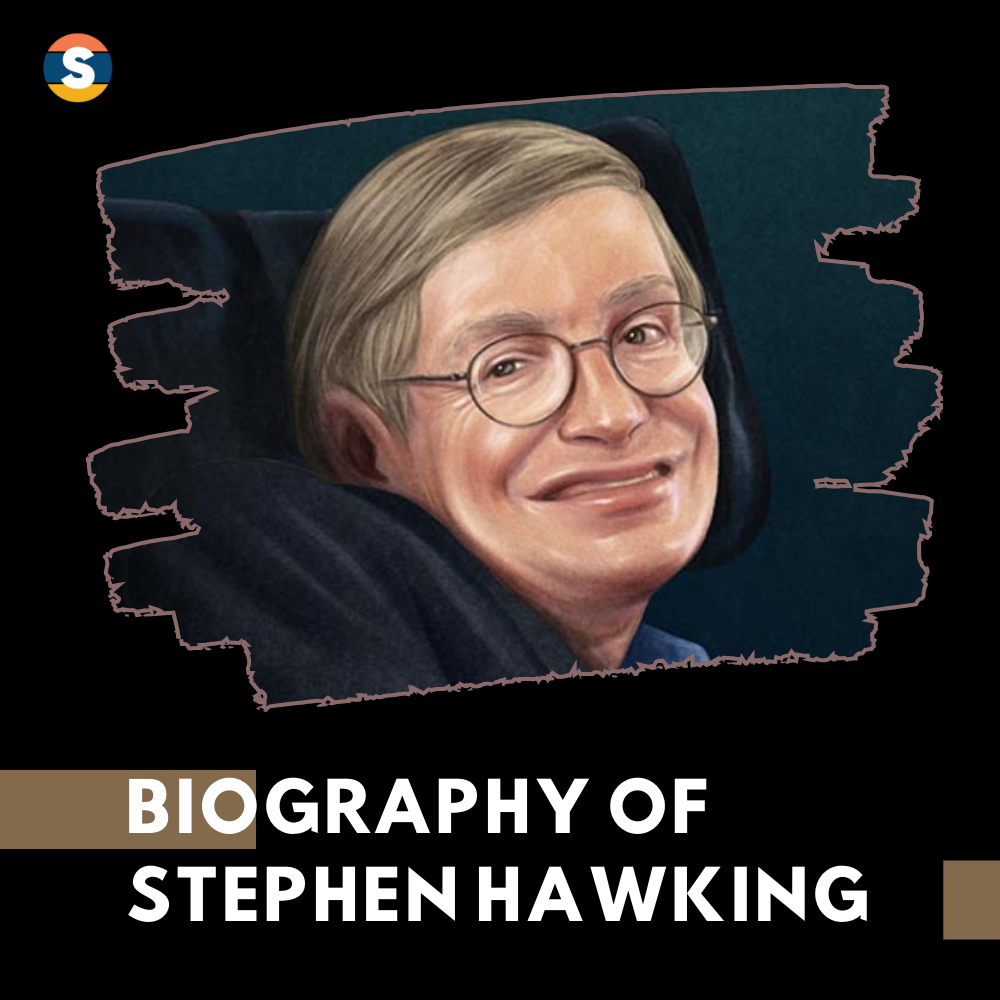
Stephen Hawking, the successor to Einstein
Stephen Hawking, born in 1942, is a real miracle on Earth. He has made his name as a scientist despite suffering from immense physical limitations. Hawking was then in his third year at Oxford University when a motor neuron disease struck him. It destroyed the nerve cells leading to atrophied muscles and slurred speech. Doctors estimated only two years more of life for him. But Hawking was tough-spirited. He was operated upon in the windpipe for the loss of speech. His two popular books are ‘A Brief History of Time’ and ‘The Universe in a Nutshell’. His research was on time, space and the cosmos. He is considered the greatest physicist after Einstein.
Q3. Study the information given and develop a meaningful paragraph from it. Also, suggest a suitable title for the write-up:
Name: Rabindranath Tagore
Date of birth: 1861
Place of birth: Jorasanko, Kolkata
Father’s Name: Maharshi Debendranath Tagore
Family background: Very rich, cultured, landlord family
Early visits abroad: Went to England several times in childhood
First Opera: Bhanu Singher Padabali
Started composing: From early childhood
Nobel Prize: On the Geetanjali in 1913
His greatest creation: Shantiniketan
Name of his wife: Mrinalini Devi
Works: Novels, short stories, dramas, poems
Other fields of activity: A great supporter of nationalist movements, international brotherhood, and equality among mankind
Death: 1941
Answer: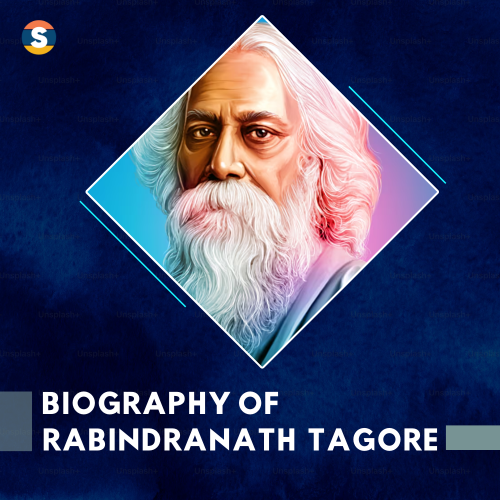
Rabindranath Tagore’s life story
Rabindranath Tagore, one of the greatest sons of India, was born in a very rich, cultured landlord family at Jorasanko, Kolkata in 1861. The son of Maharshi Debendranath Tagore, he went to England several times during the initial years. His talent as a great composer and writer was visible from early childhood.
His first opera, Bhanu Singher Padabali, created a sensation. He was married to Mrinalini Devi who inspired him to pursue his work on dramas, novels, short stories, poems, etc.
His most brilliant work was Geetanjali for which he was awarded the Nobel Prize in literature in 1913. However, his greatest creation was Shantiniketan at Bolepur.
He was not only a great writer but also a great supporter of the nationalist movement. He also worked for international understanding and advocated equality among mankind. He died at the age of 80 in 1941.
Q4. Write a paragraph (in about 100 words) about Sister Nivedita using the following points:
Points- Original Name: Margaret Elizabeth Noble-Date of birth: 28.10.1867-an Irish social worker, author, teacher-disciple of Swami Vivekananda-he gave her the name Nivedita-meaning ‘Dedicated to God’-opened a girls’ school in Bagbazar-one of the pioneers in girls’ education gave health service during the plague epidemic in Kolkata-inspired Indian national movement-helped Sir Jagadish Chandra Bose in his scientific researches-died on 13 October, 1911 at the age of 43.
Answer: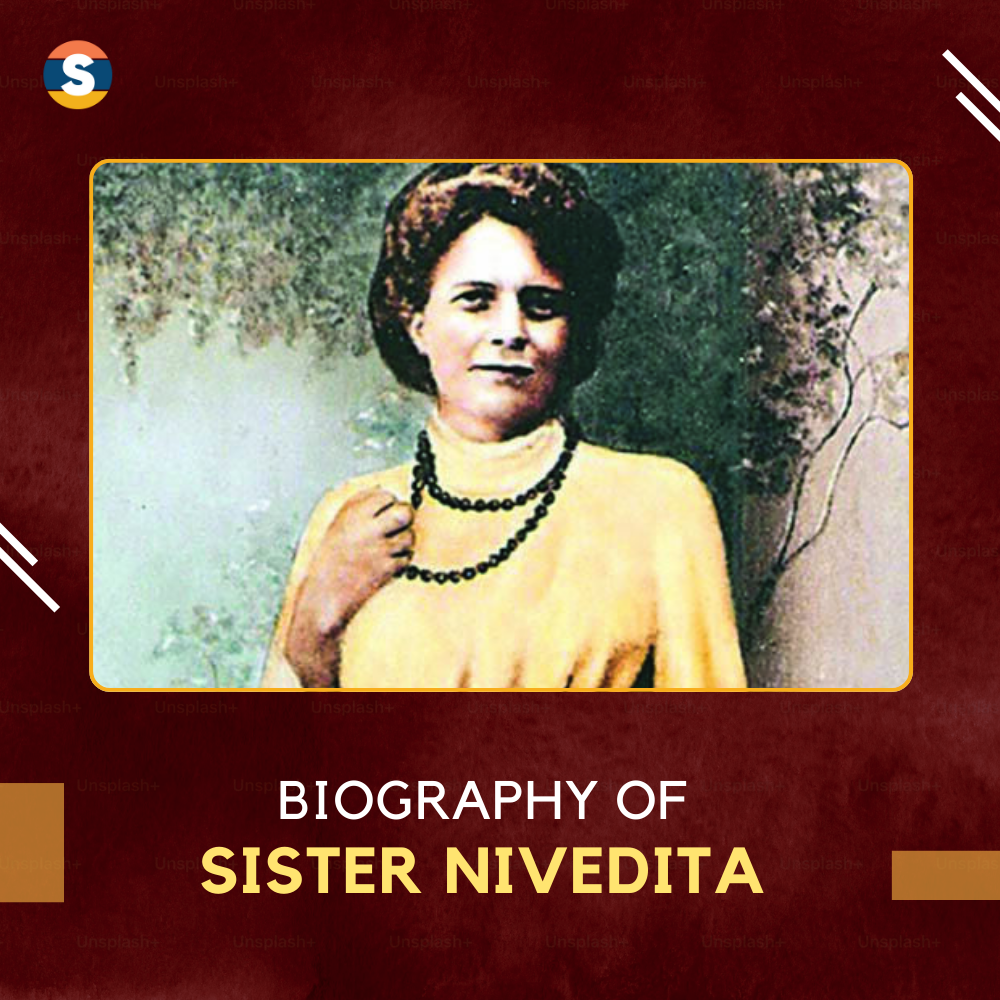
Sister Nivedita
Sister Nivedita was born Margaret Elizabeth Noble on 28 October, 1867. She was Irish by birth but Indian by choice. She began her career as a social worker, author and teacher. When she met Swami Vivekananda, she became his follower. Responding to her Guru’s call, she came to Kolkata from London in 1898. Swamiji gave her a new name, ‘Nivedita’, which means ‘Dedicated to God’. She opened a girls’ school at Bagbazar in Kolkata. She was one of the pioneers in the field of women’s education in India. When plague broke out in Kolkata as an epidemic, she nursed the poor patients. She was an inspiration for the Indian nationalists fighting for the country’s freedom. She helped Sir Jagadish Chandra Bose to carry on his scientific researches. On 13 October, 1911, Sister died in Darjeeling at the age of 43.
Q5. Write a paragraph (in about 100 words) about the first Indian Silver medalist P.V. Sindhu in the Olympics, using the following points:
Points– Name: Pusaria Venkata Sindhu-birth: in a Telugu family-dated 5th July 1995-started playing badminton from the age of eight-first learned the basics of the sport with the guidance of Mehboob Ali at the badminton courts of Indian Railway Institute of Signal Engineering and Telecommunications in Secunderabad-Next she joined Pullela Gopichand’s Badminton Academy-a bronze medalist at the 2009 Sub Junior Asian Badminton Championships the most sparkling careeer at Rio Olympics, 2016– first defeated World no. 2 Chinese Wang Yihan to reach quarter final-next beat Japanese Nozomi Okuhara to reach final-lost to Spaniard Carolina Marin in Final.
Answer: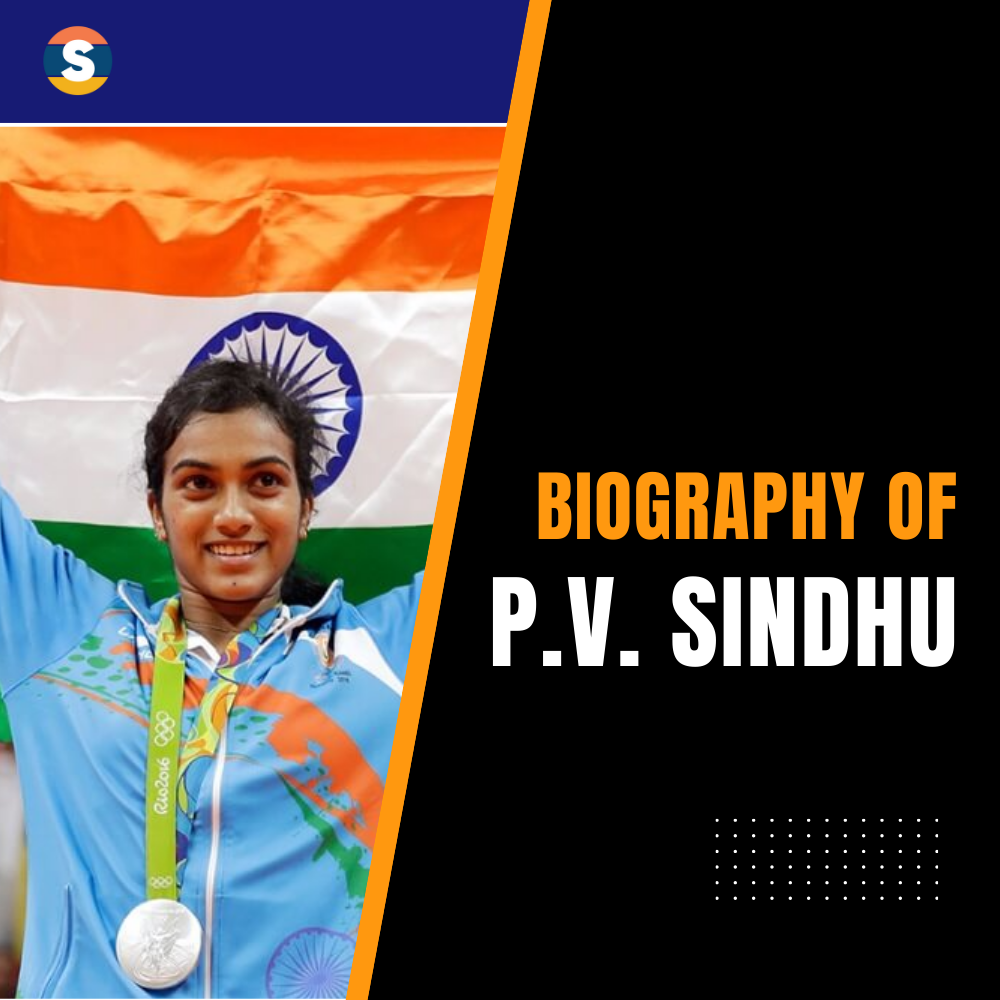
P. V. SINDHU
Pusaria Venkata Sindhu, the star shuttler of India, was born on 5 July, 1995 in a Telugu family. She started playing badminton when she was only eight years old. Her first coach was Mehboob Ali. He gave her training at the badminton court of Indian Railway Institute of Signal Engineering and Telecommunications, Secunderabad. Later, Sindhu joined Pullela Gopichand’s Badminton Academy who had been a bronze medalist at the 2009 Sub Junior Asian Badminton Championships. She showed a spectacular performance at Rio Olympics, 2016 by defeating World No. 2, China’s Wang Yihan, Sindhu reached the quarter final. Japan’s Nozomi Okuhara was defeated by her. But in the final Sindhu was defeated by Spain’s Carolina Marin and won the silver medal. India is still looking forward to her for more success in the coming days.
Q6. Write a biography on Dr. Rajendra Prasad, the 1st President of India. Use the following points:- (In 100 words)
Born in 1884 – village of Bihar – early education from district school – went to Calcutta (Now Kolkata) – stood 1st in all exams – lawyer at Calcutta High Court – joined politics with Gandhiji-elected President of Indian National Congress.
Answer: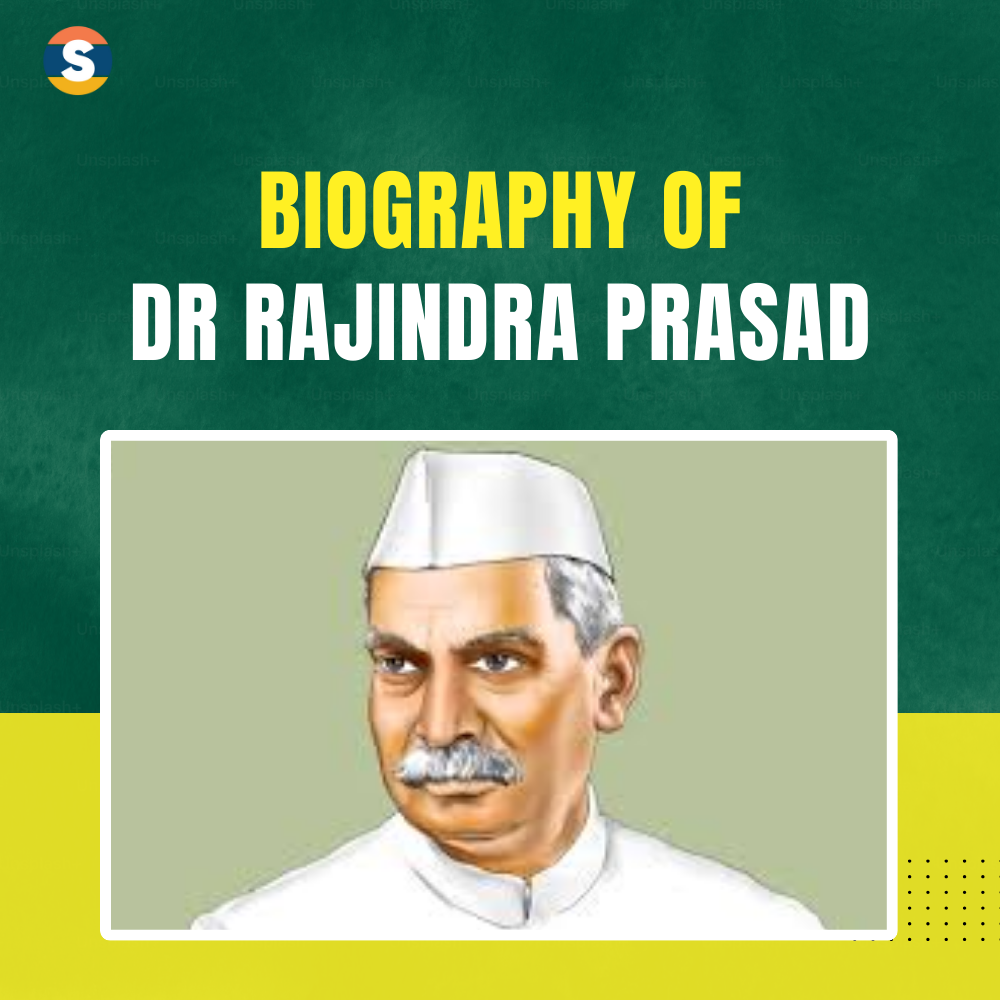
Biography Of Dr. Rajendra Prasad
Dr. Rajendra Prasad was born in 1884 in a small village in the state of Bihar. He received his early education in his own district. Then he went to Calcutta for higher education. He always stood first in all examinations.
Dr. Rajendra Prasad started his practice at Calcutta High Court. He returned to Patna to continue practice as a lawyer. He was a very successful lawyer. He loved his motherland and he decided to devote all his time to its service.
Dr. Rajendra Prasad joined the freedom movement with Gandhiji, took an active part in the movement and got elected as the President of Indian National Congress.
Q7. Write a biography of Swami Vivekananda with the help of the following points:
Points- Birth: 12th Jan, 1863-Parents: Biswanath Datta and Bhubaneswari Devi of Shimla Street, Kolkata Childhood: restless, courageous and naughty-Education: Metropolitan School, Presidency College-Monastic life: met Sri Ramakrishna-Speech in Chicago Parliament of Religions, 1893 – Founded Ramakrishna Math and Mission at Belur, 1898– Death: 4th July, 1902
Answer: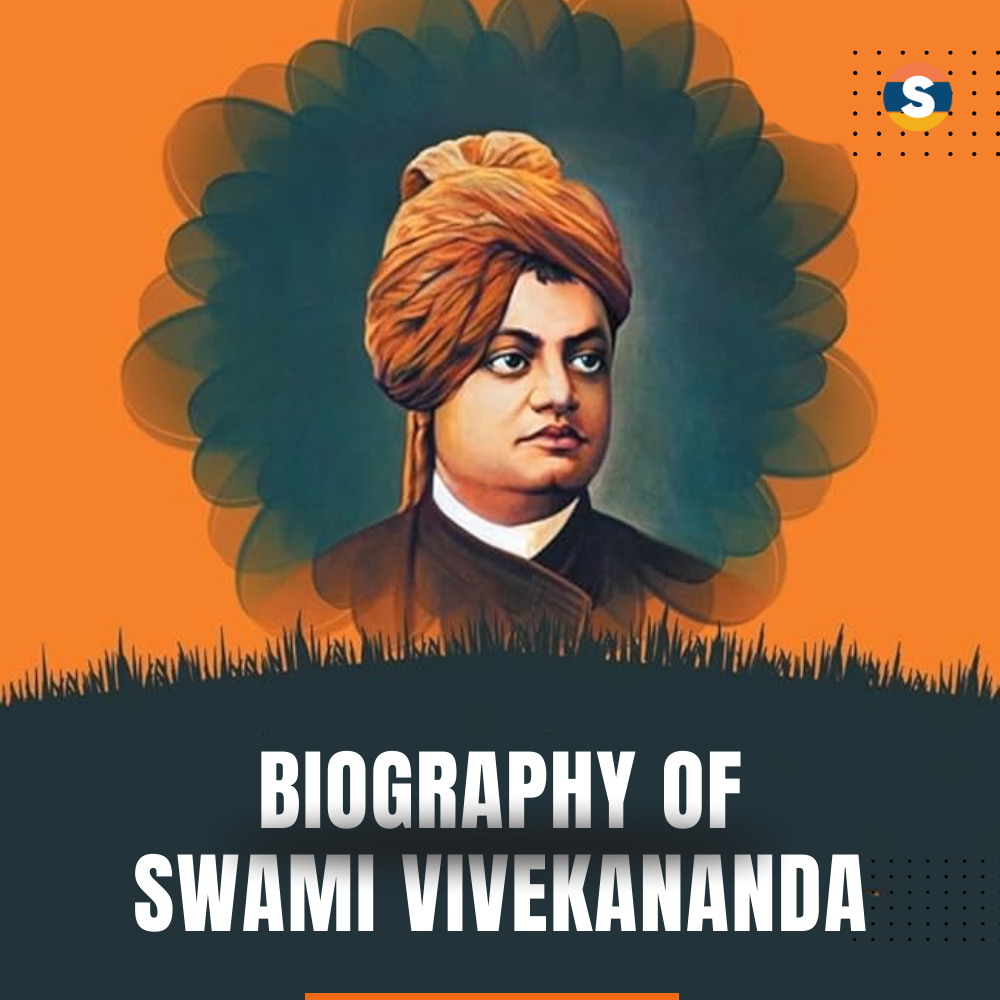
Swami Vivekananda
Swami ji was born of Biswanath Datta and Bhubaneswari Devi at Shimla Street area in Kolkata on 12 January, 1863. He was very restless, naughty and courageous from his childhood. After completing his early education at Metropolitan School, he graduated from Presidency College. In a rare turn of events, he met Sri Ramakrishna and was greatly influenced by him. He became his follower and came to be known as Swami Vivekananda. He travelled to many holy places and made pilgrimages throughout India. In the year 1893, he went to Chicago as a Hindu delegate to participate in the Parliament of Religions. Vivekananda founded the Ramakrishna Math and Mission at Belur in 1898. He breathed his last on 4 July, 1902, but his ideals continue to inspire us to be real human beings even today.
Q8. Write a biography of Mahatma Gandhi using the following points:
Points- Date of birth and place: 2 Oct, 1869 at Porbandar, Gujarat – Parents: Kaba Gandhi and Putli Bai – Education: at Porbandar and Rajkot, left for England in 1888 to study law – Professional career: back to India in 1893, started practising at the Bombay High Court; South Africa to practise law-Political career: started passive resistance and non-violence to protest against tortures on black people in South Africa-1920: Started Non-cooperation Movement- 1930: Civil Disobedience Movement. Philosophy of life: simple life; disliked power and position—Death: assassinated on 30 January, 1948.
Answer: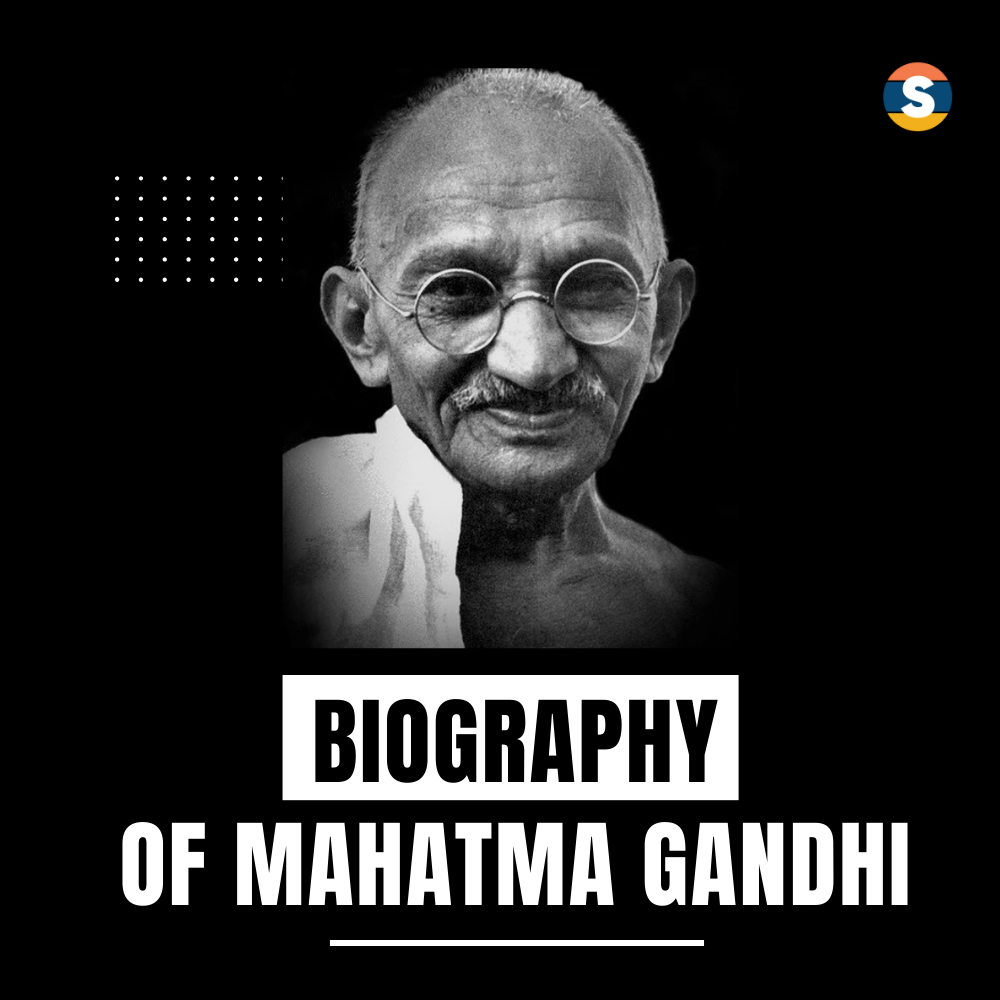
Mahatma Gandhi
Mohandas Karamchand Gandhi was born on 2 October, 1869 at Porbandar, Gujarat. Kaba Gandhi and Putli Bai were his parents. His school education was done at Porbandar and Rajkot. In 1888, he went to England to study law. He returned to India in 1893 and started practising in the Bombay High Court. Being unsuccessful as a lawyer, he went to South Africa to practise law. Gandhi started his career in India’s freedom movement here through passive resistance and non-violence in protest against the tortures on black people of South Africa. Later he joined the Indian National Congress. He led the Indian struggle for freedom in 1920 when he started Non-cooperation Movement and in 1930 he organised Civil Disobedience Movement. India won her freedom on 15 August, 1947 but Gandhiji was assassinated by Nathuram Godse on 30 January, 1948.
Q9. Write a biography on Surya Sen based on the following points (in 100 words):
Place of Birth: Noyapara, Chittagong
Date of birth: March 22, 1894
Parentage: Rajmoni Sen, Shashibala
Early education: At village primary school and high school
Passed: B.A. from Berhampore college
Joined: High School as Mathematics teacher. Non-Cooperation movement in 1921. A great patriot: Put in jail so many times, founded Indian Republican Army in 1928, attacked the British arsenal at Chittagong in 1930, fought bravely, was caught by the English in 1933, and jailed on 12th January 1934.
Death: Hanged to death.
Answer: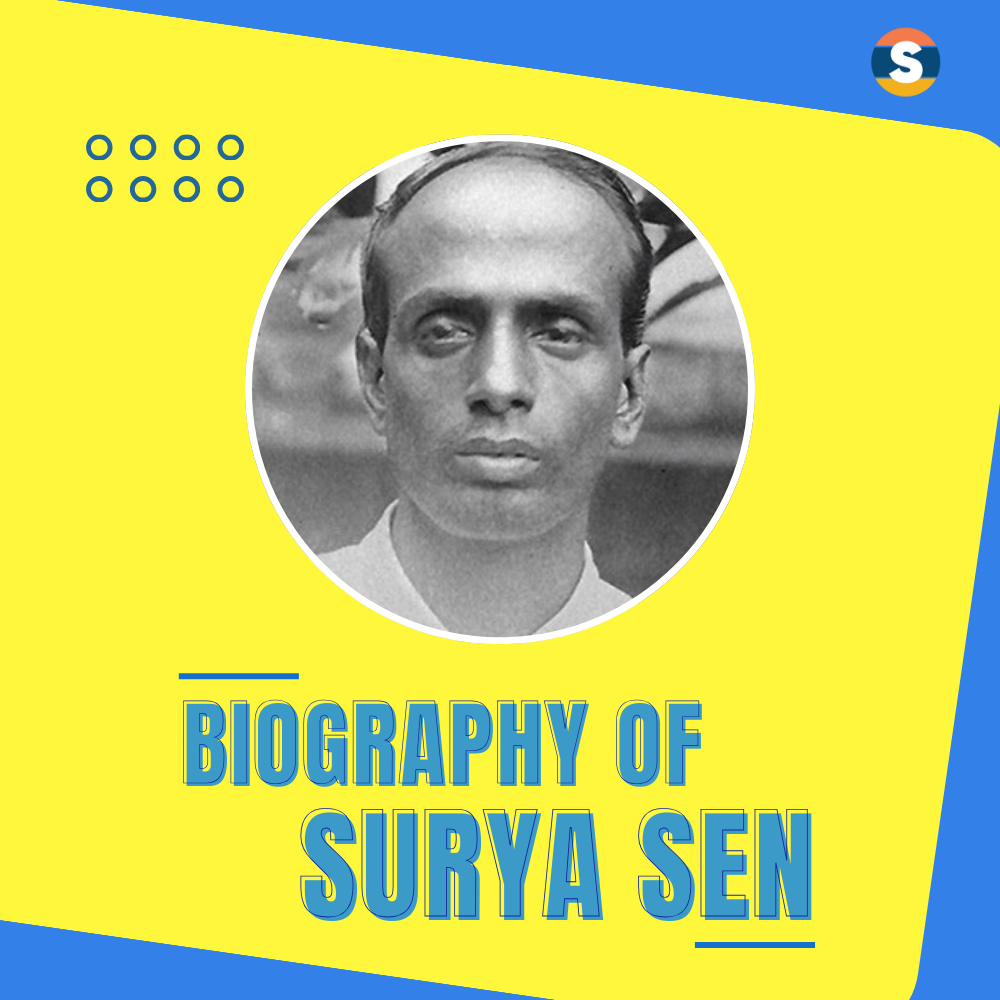
Surya Sen
Surya Sen was a great patriot of India. He was born at Noyapara of Chittagong, now in Bangladesh, on March 22, 1864. Rajmoni Sen was his father and the name of his mother was Shashibala.
Surya Sen received his early education at the village primary school and high school respectively. He passed the B.A. Exam. from Berhampore College. Then he joined a High School as a Mathematics teacher. ‘Masterda’ as Surya Sen was popularly called, joined in the Non-Cooperation Movement led by Mahatma Gandhi in 1921.
A great patriot, he was put in jail on a number of occasions. He founded the Indian Republican Army in 1928 and attacked the British arsenal at Chittagong in 1930.
The army fought bravely against the strong British army. Surya Sen was caught by the English in 1933 and jailed. He was sentenced to death on 12th January 1934. The ideals of Surya Sen inspired hundreds of freedom fighters in India.
Q10. Study the following points and write a paragraph on Sourav Ganguly:
Birth: 8th July
Parents: Chandi Ganguly and Nirupa Ganguly
Education: Schooling and college education from St. Xavier’s School and College in Calcutta.
Coaching: By Debu Mitra, Gopal Bose & others.
Source of inspiration: From his parents and elder brother.
As a Cricketer: Played their first Ranji match against Delhi in 1991, was selected for the Australia tour of the Indian cricket team, and played only One Day Match, in 1992. Double centuries at Lord’s in 1996.
Test Performance: Highest score 173 against Sri Lanka at Mumbai, batting average about 50.
Answer: 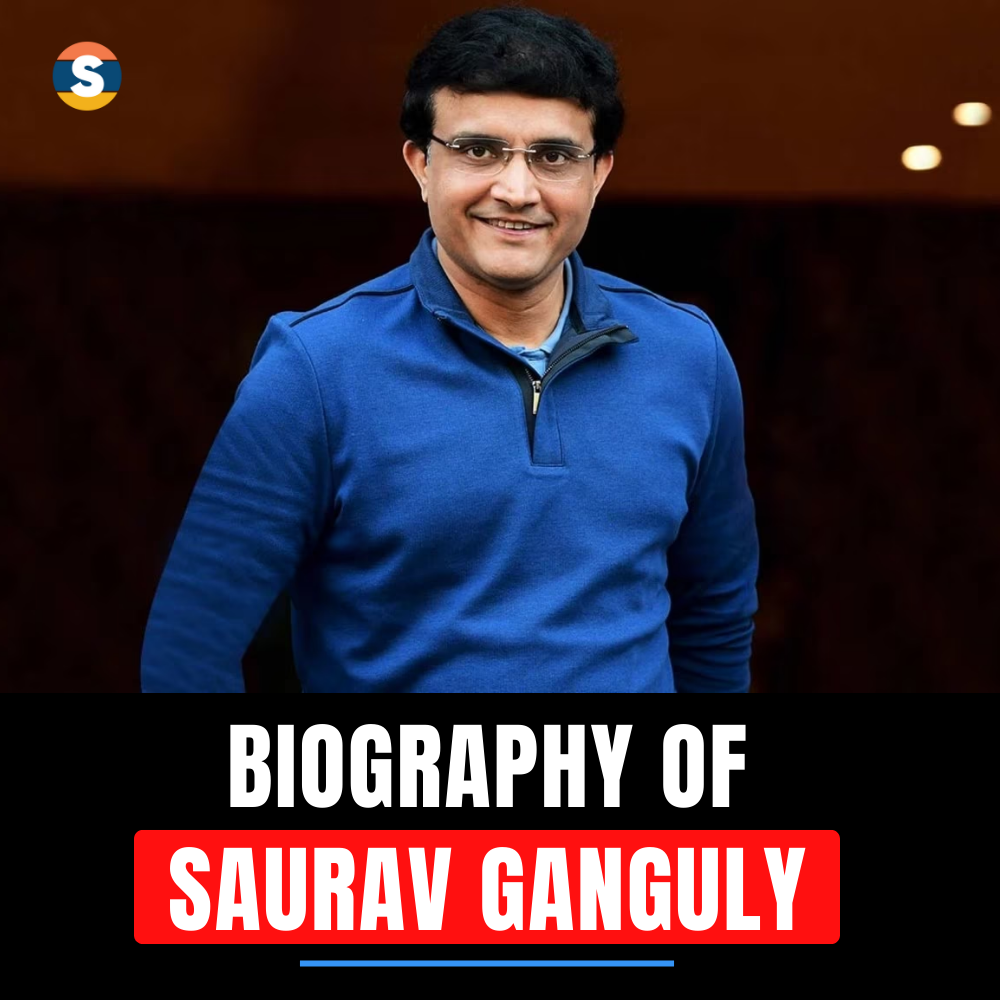
Sourav Ganguly
Sourav was born on 8th July 1972 to Chandi and Nirupa Ganguly. Sourav did his schooling and college education at St. Xavier’s School and College in Calcutta. He was coached by Debu Mitra, Gopal Bose, and others. His elder brother Snehasish Ganguly was a Ranji Trophy player for Bengal.
Sourav played in the Ranji Trophy for the first time against Delhi in 1991. Ganguly was selected in the Indian team for the tour of Australia in 1992 and played in only one-day International matches.
Ganguly made his debut against England at Lord’s on 20th June 1996 and scored a hundred. His highest Test score is 173 against Sri Lanka in Mumbai and his batting average is above 50.
Ganguly is more successful in One Day Cricket. He has played some match-winning innings for his country in Karachi, Dhaka, Sharjah, and Toronto. His highest score is 183 against Sri Lanka.
Conclusion
These examples of Biography writing topic for West Bengal state board will give confidence to students when they prepare for the exams. Students must do written practice of biography writing questions to understand the nuances well.