

A Lecture Upon the Shadow Summary and Line by Line Explanation
CBSE Class 12 English (Elective) Poem 1 – A Lecture Upon the Shadow Summary, Explanation along with Difficult Word Meanings from Kaleidoscope Book Poetry
A Lecture Upon the Shadow Summary – Are you looking for the summary, theme and lesson explanation for CBSE 12 English (Elective) Poem 1 – A Lecture Upon the Shadow from English Kaleidoscope Book Poetry. Get Lesson summary, theme, explanation along with difficult word meanings
CBSE Class 12 English (Elective) Poem 3- A Lecture Upon the Shadow
John Donne
John Donne’s ‘A Lecture Upon the Shadow’ is a lyrical poem about the poet and his beloved, where he gives her advice about love through ‘Lecture’. He taught her how their relationship and love changed with time, as did the problem between them. It’s only the light of love that can help the lover to fight against these ‘shadows’ representing problems, which otherwise lead to the end of a relationship.
- A Lecture Upon the Shadow Summary
- A Lecture Upon the Shadow Summary in Hindi
- A Lecture Upon the Shadow Theme
- A Lecture Upon the Shadow Explanation
- A Lecture Upon the Shadow Poetic Devices
Related:
A Lecture Upon the Shadow Summary
The poet invites his beloved to stop and listen, promising to share important thoughts about love based on their experiences together. He remembers the three hours they had spent together, walking with their shadows behind them. As the sun shines above them, they walk on these small shadows, reflecting their growing relationship.
Here, their love is the young child who is still developing. In this caring environment, their personalities and identities begin to grow. Although these aspects may change, their love remains strong—filled with joy yet careful to hide their affections from the outside world.
As the poet thinks about their love at noon time, their love was without secrets. He looks forward to new shadows forming behind them, which might obscure their view of each other, creating confusion in their relationship.
If their love weakens and fades away, the poet wonders if he will still belong to his beloved as hiding his true self would create distance. The morning shadows that once showed their intense love have faded, replaced by new shadows that grow longer with time.
The poet realises that love is fleeting. He knows their love can warm and brighten their lives, but if that light dims, their love could end, leading them into ‘the night’, that comes when their love fades away. This way, the poet captures the fragile balance of nurturing their relationship while understanding that time and circumstances could put it at risk.
Summary of the Poem A Lecture Upon the Shadow in Hindi
कवि अपने प्रिय को रुकने और सुनने के लिए आमंत्रित करता है, अपने अनुभवों के आधार पर प्रेम के बारे में महत्वपूर्ण विचारों को साझा करने का वादा करता है। वह उन तीन विशेष घंटों को याद करता है जो उन्होंने एक साथ बिताए थे, अपने पीछे अपनी छाया के साथ चलते हुए। जैसे-जैसे सूरज उनके ऊपर चमकता है, वे इन छोटी छायाओं पर चलते हैं, जो उनके बढ़ते रिश्ते को दर्शाता है।
यहाँ, उनका प्यार एक छोटे बच्चे की तरह है, जो अभी भी विकसित हो रहा है। इस देखभाल करने वाले वातावरण में, उनके व्यक्तित्व और पहचान बढ़ने लगते हैं। हालाँकि ये पहलू बदल सकते हैं, उनका प्यार मजबूत रहता है-खुशी से भरा हुआ फिर भी बाहरी दुनिया से अपने स्नेह को छिपाने के लिए सावधान रहता है।
जैसा कि कवि दोपहर के समय उनके प्यार के बारे में सोचता है, उनका प्यार बिना किसी रहस्य के था। वह उनके पीछे बनने वाली नई छायाओं की प्रतीक्षा करता है, जो एक-दूसरे के बारे में उनके दृष्टिकोण को अस्पष्ट कर सकते हैं, जिससे उनके रिश्ते में भ्रम पैदा हो सकता है।
यदि उनका प्रेम कमजोर हो जाता है और लुप्त हो जाता है, तो कवि को आश्चर्य होता है कि क्या वह अभी भी अपने प्रिय का होगा क्योंकि अपने सच्चे रूप को छिपाने से दूरी पैदा हो जाएगी। सुबह की छायाएँ जो कभी उनके तीव्र प्रेम को दर्शाती थीं, फीकी पड़ गई हैं, उनकी जगह नई छायाएँ आ गई हैं जो समय के साथ लंबी होती जाती हैं।
कवि को एहसास होता है कि प्रेम क्षणभंगुर है। वह जानता है कि उनका प्यार उनके जीवन को गर्म और रोशन कर सकता है, लेकिन अगर वह रोशनी कम हो जाती है, तो उनका प्यार समाप्त हो सकता है, जिससे उन्हें ‘रात’ में ले जाया जा सकता है, जब उनका प्यार दूर हो जाता है। इस तरह, कवि यह समझते हुए कि समय और परिस्थितियाँ इसे खतरे में डाल सकती हैं, उनके रिश्ते को पोषित करने के नाजुक संतुलन को पकड़ता है।
Themes of the Poem A Lecture Upon the Shadow
Inevitable Changes in Relationship
John Donne has used the extended metaphors of light and shadows to emphasise the changes that one’s relationship goes through with time. At the beginning, love is at its peak level in brilliance, while these shadows representing conflicts are small to fight against, but with time, it grows, which the lovers either fight against or they will eventually end their relationship.
Dual Nature of Love
Love can be perfect at the beginning of the relationship, leaving behind all the problems they had, they fight against them. Love can also be imperfect, if there is falsehood and duplicity, which eventually leads to the end of the relationship. Love is dual as it could be perfect and imperfect at the different stages of a relationship.
A Lecture Upon the Shadow Poem Explanation
Stanza 1:
Stand still and I will read to thee
A Lecture, Love, in loves philosophy,
These three houres that we have spent,
Walking here, Two shadowes went
Along with us, which we our selves produc’d;
But, now the Sunne is just above our head,
We doe those shadowes tread;
And to brave clearnesse all things are reduc’d.
So whilst our infant loves did grow,
Disguises did, and shadowes, flow,
From us, and our cares; but now ’tis not so.
That love hath not attain’d the high’st degree,
Which is still diligent lest others see.
Word meanings:
thee: you
philosophy: the study of ideas and issues, and the pursuit of wisdom and understanding.
houres: hours
shadowes: shadows
sunne: sun
along with us, which we our selves produc’d: the shadows of the poet and his beloved walking behind them
our selves: ourselves
doe: do
tread: walk in a specific way
brave clearnesse: sunshine
reduc’d: reduced
whilst: while
disguises: give a different appearance to conceal one’s identity.
hath: have
lest: for the fear that
flow: the shadows are changing their position
Explanation of the above Stanza – In this stanza, the poet told his beloved to stand still, as he would read to her the lecture on love in love’s philosophy. The poet refers to the three hours that they have spent walking at a place, where they have produced two shadows, which were walking along with them. The shadows are the possible conflicts they have produced between themselves. Now that the sun is above their head, shining in its brilliance, they are walking upon these small shadows. The sun here represents their love and their shadows represent the problems. As the sun or love is above their head, shining in its brilliance, their shadows or problems become small. The poet and his beloved are brave enough to fight against anything to protect their relationship or love, as they are clear about each other. At this point, their love is just like an infant that’s growing up, with it their disguises and shadows also grow from within themselves and their care, but that doesn’t bother them as their love has reached its peak and they remain careful to avoid being seen by people. Disguises and shadows represent problems and disagreements between the poet and his beloved.
John Donne’s poem ‘A Lecture Upon the Shadow’ emphasises the importance he gave to the ‘shadows’ over ‘love’ although he told his beloved, in the beginning of his poetry, that he was giving the lecture on love. He has used an exemplary tone to advise his beloved about love as it goes through different stages in relationships. As the poet and his beloved walked together, they encountered two shadows produced by them, which represent the possible conflicts between them. Here, light represents love, while shadows represent disagreements and conflicts. The sun is above their head, which means that their love is at the peak, but these shadows represent conflicts, though small, but they exist, don’t bother them anymore. The couple’s “infant love” has grown, uniting them in a “brave clearnesse,” their two shadows have gradually worn away. Their love hasn’t reached its highest peak as they remain cautious and hide their love from others.
Stanza:
Except our loves at this noone stay,
We shall new shadowes make the other way.
As the first were made to blinde
Others; these which come behinde
Will worke upon our selves, and blind our eyes.
If our loves faint, and westwardly decline;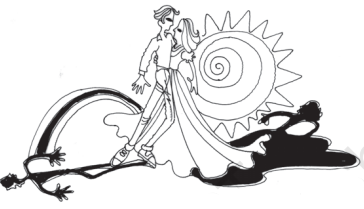
To me thou, falsely thine;
And I to thee mine actions shall disguise.
The morning shadowes were away,
But these grow longer all the day,
But oh, loves day is short, if love decay.
Love is a growing, or full constant light;
And his first minute, after noone, is night.
Word meanings:
noone: noon
blinde: blind
faint: barely perceptible or unclear
thine: yours
worke: work
thou: you
behinde: behind
Explanation of the above stanza – In this stanza, the poet’s perspective towards love changes. The poet refers to their love at noon time, without any secrets. They will make new shadows, but this time, it’s the other way. In this stanza, love is shown after noon time. Unlike the initial shadows that made others blind, these shadows that come from behind will affect them, blinding their vision. The former shadows protected them from others from seeing their love. The shadows they later formed would affect their love. If their love weakens and moves towards the west, in that case, the poet might belong to his beloved, but that might not be true, as he would hide his actions from her. The morning shadows have vanished, but these new shadows are growing longer all day long. The days of love are brief, if it starts to fade. The love keeps on growing in all intensity and brilliance, but if that light fades away, it’s the death of their love, ‘the night’.
This stanza shows the decline of the relationship as the shadows grow longer, eventually leading to the end of their relationship. As the sun sets in the west, so does the love that fades away to be engulfed in the darkness of night. The poet gives a plausible situation to his beloved where if their love fades away, their relationship will end. The first shadows are different from the new shadows in this stanza. As the former blinds others, but the latter blinds them as the problem increases, their love declines. The reference to ‘westwardly decline’ means that their love is fading, eventually leading to shadows to grow longer. It also means that these deceptions won’t let them see each other. If the lovers turn away from this unity and begin to dissemble, they will then forsake the light of truth for blindness, error, and duplicity. The emphasis on the fleeting nature of love through ‘loves day is short’ by comparing the cyclical nature of day, to eventually ‘decay’ and end as a night has been reinforced in the couplet.
A Lecture Upon the Shadow Poetic Devices
Antanaclasis
Antanaclasis is a rhetorical device that involves repeating a word in a sentence with different meanings. In John Donne’s “A Lecture Upon the Shadow,” he shifts the word “shadows” to reflect its varied connotations in the seventeenth century. This technique enriches the poem’s meditative structure by transitioning from literal shadows cast by the lovers to allegorical shadows representing their hidden truths and the disguises they wear. These new shadows symbolise potential falsehoods and duplicity that could threaten their relationship. The poet ultimately warns that such disguises may lead to a spiritual downfall, where the lovers fall from truth into darkness.
Alliteration
In alliteration, consonant sounds in two or more neighboring words or syllables are repeated to grasp the reader’s attention, making them focus on a particular line or section. In Donne’s poem ‘A Lecture Upon Shadow’, he has used alliteration like ‘Stand still’, ‘These three’, ‘Disguises did’, ‘Lecture, Love, in loves philosophy’ and ‘Will worke’, to add lyrical effects to the poem.
Consonance
Consonance is the use of words with similar consonant sounds in a sentence or a particular context. John Donne uses consonance throughout the poem to add rhythm, mood and flow to the lyrical poem. For instance, in the line ‘These three houres that we have spent’ the consonant ‘t’ has been repeated and Walking here, Two shadowes went’
Lyrical Poem
Lyrical Poetry is a genre of poetry that describes a person’s feelings and thoughts about love through a first person viewpoint. With figurative language and imagery, John Donne’s poem ‘A Lecture Upon Shadow’ also has musical rhythm that makes it a lyric poetry.
Assonance
Assonance is a figure of speech that is characterised by the use of words that have similar vowel sounds consecutively. John Donne uses the poetic device assonance throughout his poetry to add rhythm to the lyric poetry. Some of the instances among the many are the repetition of ‘e’ in ‘These three houres that we’, the repetition of ‘i’ in ‘Which is still diligent’ and the repetition of ‘o’ in ‘worke upon our selves’.
Extended Metaphor or Conceit
An extended metaphor, also known as a conceit or sustained metaphor, is the use of a single metaphor or analogy at length in a work of literature. The whole poem is a conceit as the ‘light’ depicts the different stages of relationship and the shadows represent the problems in their relationship like falsehoods and duplicity, which eventually lead to the end of their relationship.
Imagery
Imagery is a literary device that uses figurative language to evoke a sensory experience or to paint a picture for the reader with words. Imagery through metaphor is persistent throughout the poem. John Donne has used the sun and shadow imagery throughout the poetry to connect the physical movement of the sun to the emotional stages of the poet and his beloved relationship. Some of the instances John Donne has used the imagery are ‘Walking here, Two shadowes went/Along with us’, ‘our loves at this noone stay’, ‘new shadowes make the other way’, ‘Will worke upon our selves, and blind our eyes’, ‘these grow longer all the day’ and ‘Love is a growing, or full constant light’.
Metaphor
Metaphor is a word or phrase used to describe somebody/something else, in a way that is different from its normal use, to show that the two things have the same qualities and to make the description more powerful. The metaphor ‘infant loves’ means that the poet and his beloved love were at the initial stage. The love at this stage is pure, without any deception. The metaphor ‘brave clearnesse’ means that the poet and his beloved are brave enough to fight against anything as they are clear about each other. The metaphor ‘westwardly decline’ means that the sun sets in the west direction, so will their relationship if their love fades away.
Personification
Personification is a figure of speech that is used to attribute human characteristics to something that is not human. The human qualities are given to love in the phrases ‘Loves faint’ and ‘love decay’ as their love fades away. In the phrase ‘loves day’ the poet gives the day itself the ability to express love, just like a person would. The love is personified as a human in the last lines, as he is growing and in full constant light, ‘his first minute’ after noon is night. The possessive pronoun used for love in ‘his first minute’ shows love is personified as a human. The poet had given human qualities to the shadows’ movement in phrases like ‘shadowes tread’, ‘shadowes went’ and ‘shadowes, flow’.
Symbolism
Symbolism is a literary device that uses one thing to represent another. In ‘A Lecture Upon the Shadow’ poem, John Donne has used ‘Two shadowes’ to symbolise the problems in their relationship, ‘Sunne’, ‘noone’ to symbolises their love, ‘high’st degree’ to their love is at the peak level where they trust each other and ‘night’ to symbolise the death of relationship.
Poetic Structure
John Donne’s A Lecture upon the Shadow is a loosely formed sonnet. John Donne has followed the Shakespearean sonnet style, which is formed by three quatrains and a couplet in iambic pentameter with ABAB CDCD EFEF GG rhyme, although the traditional sonnet is formed by an octave and a sestet with an ABBAABBA CDDCEE rhyme scheme. A Lecture upon the Shadow is in iambic pentameter with an AABBCDDCEEE rhyme scheme. The varying couplets and their rhyme resemble those of Shakespeare’s poetry. Donne uses the intellectual and philosophical language of ‘noon’ and ‘shadows’ to explore the complexities one goes through in relationships by using complex conceits and comparisons to highlight the psychological aspects of the relationship.
Conclusion
The poem A Lecture Upon the Shadow by John Donne gives a profound moral lesson on love and conflicts in relationships. Students can take help from the post to understand the lesson and also learn the difficult word meanings to get a better grasp of the poem. This lesson includes the summary of A Lecture Upon Love, which will help students of class 12 to get a quick recap of the poem.