

Time and Time Again Summary and Line by Line Explanation
CBSE Class 12 English (Elective) Poem 7 – Time and Time Again Summary, Explanation along with Difficult Word Meanings from Kaleidoscope Book Poetry
Time and Time Again Summary – Are you looking for the summary, theme and lesson explanation for CBSE 12 English (Elective) Poem 7 – Time and Time Again from English Kaleidoscope Book Poetry. Get Lesson summary, theme, explanation along with difficult word meanings
CBSE Class 12 English (Elective) Poem 7- Time and Time Again
A.K. Ramanujan
“Time and Time Again”, a poem by A.K. Ramanujan, explores the theme of time and its impact on human life, highlighting the varied and imperfect nature of human experiences through the imagery of city clock towers and their differing chimes.
- Time and Time Again Summary
- Time and Time Again Summary in Hindi
- Time and Time Again Theme
- Time and Time Again Explanation
- Time and Time Again Poetic Devices
Related:
Time and Time Again Summary
The speaker discusses different clock towers around the world. He encourages readers to listen to the sounds of clock towers in well-kept old cities. These cities care for their buildings, streets, and clock towers. The clocks strike their bells, marking the passage of time day and night. Each clock tower has bells that sound slightly different. Some make deep sounds, while others sound lighter, depending on the bronze used. The sounds can vary every thirty minutes due to the mix of metals.
The poet explains why clock towers in well-maintained cities show different times. Each clock tower makes unique sounds every thirty minutes because they use different materials. The variation in the bell sounds could result from the shaky hands of the clockmakers in Switzerland. The differences may also stem from emotional and physical variations among different individuals, influenced by the desires of powerful people. Conflicts and brief moments of peace between Hindu, Christian, and Muslim communities can quickly break down due to unexpected events, personal choices, or small disputes. The image of a ‘siren’ symbolizes how peace can be interrupted by urgent noise, while a ‘backstreet quarrel’ hints at minor conflicts that can significantly impact relationships. It shows how easily human connections can collapse, as even strong agreements or conflicts can be disrupted by unpredictable events. The poet reflects upon the wealthy individuals who donate money to build clock towers. These donations might create rifts among people due to the uncertain nature of the donors. Donors can act like contractors of religion, promoting differences among people. The poet highlights the troubling nature of these donors, as their contributions can lead to religious conflicts. He refers to Islam, Christianity, and Hinduism. Followers of these religions may coexist at times but often fall into disputes. While they can practice peace, their relationships mostly suffer from conflict. Small disagreements can lead to riots, spreading feelings of hatred and disunity.
One day, after a riot, people would look up at the damaged clock towers and see a distorted sky behind them. Following the riots, peace marches took place to honour those affected. However, these marches could spark new conflicts between religions. Tensions can escalate quickly and cause fights between communities, undoing efforts to foster peace. Misguided teachings can create division and lead to violence and riots. The poet suggests that nature’s power may have caused some damage to the clock towers. Intense thunderstorms can darken everything and create lightning. This imagery of nature reflects the destruction caused by riots. The damaged clock tower represents false teachings from unqualified religious leaders. The twisted sky seen through the ruined clock tower symbolizes a distorted society and religion. The poet warns that many preachers share incorrect messages, causing intolerance and hatred among ordinary people.
Summary of the Poem Time and Time Again in Hindi
वक्ता दुनिया भर के विभिन्न घड़ी टावरों पर चर्चा करते हैं। वह पाठकों को अच्छी तरह से रखे गए पुराने शहरों में घड़ी टावरों की आवाज़ सुनने के लिए प्रोत्साहित करते हैं। ये शहर अपनी इमारतों, सड़कों और घड़ी टावरों की देखभाल करते हैं। घड़ियाँ अपनी घंटियाँ बजाती हैं, जो दिन और रात के समय को चिह्नित करती हैं। प्रत्येक घड़ी मीनार में घंटियाँ होती हैं जो थोड़ी अलग लगती हैं। कुछ गहरी आवाज़ें बनाते हैं, जबकि अन्य इस्तेमाल किए गए कांस्य के आधार पर हल्की आवाज़ करते हैं। धातुओं के मिश्रण के कारण हर तीस मिनट में ध्वनियाँ बदल सकती हैं।
कवि बताते हैं कि अच्छी तरह से बनाए गए शहरों में घड़ी टावर अलग-अलग समय क्यों दिखाते हैं। प्रत्येक घड़ी मीनार हर तीस मिनट में अद्वितीय ध्वनियाँ बनाती है क्योंकि वे अलग-अलग सामग्रियों का उपयोग करते हैं। घंटी की आवाज़ में भिन्नता स्विट्जरलैंड में घड़ी बनाने वालों के अस्थिर हाथों के कारण हो सकती है। ये अंतर विभिन्न व्यक्तियों के बीच भावनात्मक और शारीरिक भिन्नताओं से भी उत्पन्न हो सकते हैं, जो शक्तिशाली लोगों की इच्छाओं से प्रभावित होते हैं। अप्रत्याशित घटनाओं, व्यक्तिगत विकल्पों या छोटे विवादों के कारण हिंदू, ईसाई और मुस्लिम समुदायों के बीच संघर्ष और शांति के संक्षिप्त क्षण जल्दी ही टूट सकते हैं। एक ‘सायरन’ की छवि यह दर्शाती है कि कैसे तत्काल शोर से शांति बाधित हो सकती है, जबकि एक ‘बैकस्ट्रीट झगड़ा’ मामूली संघर्षों का संकेत देता है जो संबंधों को महत्वपूर्ण रूप से प्रभावित कर सकते हैं। यह दर्शाता है कि मानव संबंध कितनी आसानी से टूट सकते हैं, क्योंकि मजबूत समझौते या संघर्ष भी अप्रत्याशित घटनाओं से बाधित हो सकते हैं। कवि उन धनी व्यक्तियों पर विचार करता है जो घड़ी टावर बनाने के लिए धन दान करते हैं। ये दान दाताओं की अनिश्चित प्रकृति के कारण लोगों के बीच दरार पैदा कर सकते हैं। दानदाता लोगों के बीच मतभेदों को बढ़ावा देते हुए धर्म के ठेकेदारों की तरह काम कर सकते हैं। कवि इन दानदाताओं की परेशान करने वाली प्रकृति पर प्रकाश डालते हैं, क्योंकि उनके योगदान से धार्मिक संघर्ष हो सकते हैं। वह इस्लाम, ईसाई धर्म और हिंदू धर्म का उल्लेख करता है। इन धर्मों के अनुयायी कभी-कभी सह-अस्तित्व में हो सकते हैं लेकिन अक्सर विवादों में पड़ जाते हैं। जबकि वे शांति का अभ्यास कर सकते हैं, उनके रिश्ते ज्यादातर संघर्ष से पीड़ित होते हैं। छोटी-छोटी असहमति दंगों का कारण बन सकती है, जिससे घृणा और अनैक्य की भावना फैल सकती है।
एक दिन, दंगों के बाद, लोग क्षतिग्रस्त घड़ी टावरों को देखते और उनके पीछे एक विकृत आकाश देखते। दंगों के बाद, प्रभावित लोगों को सम्मानित करने के लिए शांति जुलूस निकाले गए। हालाँकि, ये जुलूस धर्मों के बीच नए संघर्षों को जन्म दे सकते हैं। तनाव तेजी से बढ़ सकता है और समुदायों के बीच लड़ाई का कारण बन सकता है, जिससे शांति को बढ़ावा देने के प्रयासों को रोका जा सकता है। गुमराह शिक्षाएँ विभाजन पैदा कर सकती हैं और हिंसा और दंगों का कारण बन सकती हैं। कवि का सुझाव है कि प्रकृति की शक्ति ने घड़ी की मीनारों को कुछ नुकसान पहुंचाया होगा। तेज आंधी सब कुछ अंधेरा कर सकती है और बिजली पैदा कर सकती है। प्रकृति की यह छवि दंगों के कारण हुए विनाश को दर्शाती है। क्षतिग्रस्त घड़ी मीनार अयोग्य धार्मिक नेताओं की झूठी शिक्षाओं का प्रतिनिधित्व करती है। खंडहर घड़ी मीनार के माध्यम से देखा गया मुड़ा हुआ आकाश एक विकृत समाज और धर्म का प्रतीक है। कवि चेतावनी देते हैं कि कई प्रचारक गलत संदेश साझा करते हैं, जिससे आम लोगों में असहिष्णुता और घृणा पैदा होती है।
Themes of the Poem Time and Time Again
Fleeting and Varied Nature of Time Against Nature
The poem emphasizes that time is constantly moving forward and can never be stopped or reversed. It manifests differently in various places and for different people, symbolized by the unique chimes of clock towers in different cities, with the reference to lighter and deeper sound by the clock towers’ gongs. In the end, the poem suggests nature’s superior and enduring power in comparison to humanity’s attempts, sometimes futile, to control or define time.
Critique on False Preachers of Religion
The poet critiques the false preachers of religion who act like a donor, spreading and promoting differences among humans. The poet points out the troubling nature of these donors, as their actions can lead to religious conflict. The poet talks about three religions, which are Islam, Christianity, and Hinduism. The followers of these religions sometimes get along, but they often end up in disputes. Although there are moments when they practice peace, most of the time, their relationship is marked by conflict. This leads to minor arguments that can spark riots and create feelings of hatred and disharmony.
Time and Time Again Poem Explanation
Stanza:
Or listen to the clocktowers
of any old well-managed city
beating their gongs round the clock, each slightly
off the others’ time, deeper or lighter
in its bronze, beating out a different
sequence each half-hour, out of the accidents
Word meanings
clocktowers: a tower, typically forming part of a church or civic building, with a large clock at the top
beating their gongs round the clock: the clocks in a city are constantly striking their bells, signifying the continuous passage of time, happening all day and night, without interruption; essentially, it’s a poetic way of saying that time is always moving forward.
gongs: metal bells on a clock tower that chime to mark the time.
round the clock: the bells are ringing throughout the entire 24-hour day.
slightly off: something is a little different or strange, or not quite right.
out of the accidents: caused by an unexpected event
Explanation of the above stanza – The speaker talks about the different clock towers around the world. He asks the readers to listen to the sound of the clock towers of any old city, which is well maintained. These cities not only take care of their buildings and streets, but they also take care of their clock towers. The clocks in these cities are constantly striking their bells, signifying the continuous passage of time, happening all day and night. The sound of these metal bells is a little different in every clock tower. Some gongs make a deeper sound while others make a lighter sound, because of the variation in the bronze material used to make them. The gongs beat different sounds every half an hour because of the unexpected mixture of alloys. They are the same and different in a way.
In this stanza, the poet discusses why the clock towers in well-managed old cities show different times. He explains that each clock tower creates a unique set of sounds every thirty minutes because they were built with different materials.
Stanza:
of alloy, a maker’s shaking hand
in Switzerland, or the mutual distances
commemorating a donor’s whim,
the perennial feuds and seasonal alliance
of Hindu, Christian, and Muslim—
cut off sometimes by a change of wind,
a change of mind, or a siren
between the pieces of a backstreet quarrel.
Word meanings
mutual distances: physical and emotional separation between individuals or groups.
commemorating: recall and show respect for (someone or something).
commemorating a donor’s whim: these distances are perhaps arbitrary and based on the whims of a giver or the arbitrary nature of certain choices.
whim: a sudden desire or change of mind, especially one that is unusual or unexplained.
perennial: everlasting
feuds: argument
seasonal: relating to or characteristic of a particular season of the year.
alliance: a relationship based on similarity of interests, nature, or qualities.
cut off: to stop or interrupt something suddenly, or to stop someone from speaking
change of wind: unforeseen circumstances
change of mind: individual decisions
siren: warning sound
Explanation of the above stanza – The difference in the metal bells or gongs sound might be due to the shaking hands of the person who has made them in Switzerland. The reason behind the difference in the gong’s sound could also be the physical and emotional differences between the different individuals who ring them based on the unexplained desires of someone in power. The everlasting conflicts and brief periods of coexistence among the communities of Hindu, Christian and Muslims could be easily broken by unforeseen circumstances, individual decisions or sudden local trivial disputes. The image of a ‘siren’ suggests the interruption of peace by an external, urgent noise, and a ‘backstreet quarrel’ indicates a small and possibly trivial conflict that can have a significant effect on the relationships of those involved. This stanza captures the collapse of human connection, suggesting that even the most seemingly durable agreements or conflicts can crumble due to unpredictable factors.
The poet mentions Switzerland because it is known as a top place for making clocks and watches. They are considered the best in the world. The poet suggests that a manufacturer’s hand might have shaken during the clock-making process. This could explain why the gongs of different clock towers rang at different times. The poet talks about well-known people who donate money to build clock towers. These donations may create distance and differences among people because of the uncertain and unpredictable nature of the donors. The donors act like contractors of religion, spreading and promoting differences among humans. The poet points out the troubling nature of these donors, as their actions can lead to religious conflict. The poet talks about three religions, which are Muslims, Christianity, and Hinduism. The followers of these religions sometimes get along, but they often end up in disputes. Although there are moments when they practice peace, most of the time, their relationship is marked by conflict. This leads to minor arguments that can spark riots and create feelings of hatred and disharmony.
Stanza:
One day you look up and see one of them
eyeless, silent, a zigzag sky showing
through the knocked-out clockwork, after a riot,
a peace-march time bomb, or a precise act
Of nature in a night of lightnings.
Word meanings
zigzag: a line or course having abrupt alternate right and left turns.
knocked-out:
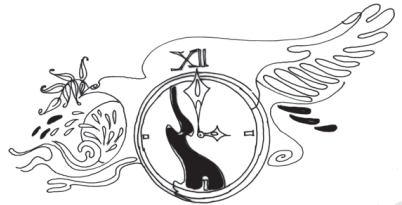
Explanation of the above stanza – One day, when we looked up at the distorted clock towers after the riots, we saw an eyeless and silent zigzag sky through it. After riots, peace marches are held to mourn the destruction. However, there is a risk that this can lead to new conflicts between different religions. This tension can grow quickly and cause fights between communities, undoing the efforts to promote peace. Misguided teachings not only create division but also lead to violence and riots. The poet suggests that the distorted clock towers may be caused by the power of nature. Nature can create intense thunderstorms that darken everything and show lightning in the sky. The image of the ‘eyeless’ clock tower represents nature’s superior power, capable of diminishing the significance of human creations.
The ruined clock tower shows the false teachings spread by unqualified religious leaders. Through the ruined clock tower, a distorted sky is visible, representing a twisted society and religion. The poet shows that many preachers share incorrect messages with ordinary people, leading to intolerance and hatred among them.
Time and Time Again Poetic Devices
Oxymoron
An oxymoron is a rhetorical device that uses two opposite or contradictory terms one after the other to project an effect. ‘Mutual distances’ is an oxymoron, where ‘mutual’ means are held in common by two or more parties and ‘distances’ means the state of being apart in space.
Consonance
Consonance is the poetic device that uses words with similar consonant sounds in a sentence or a particular context. Some of the instances the poet has used consonance are ‘listen to the clocktowers’, ‘deeper or lighter’, ‘slightly off the others’ time’, ‘Switzerland, or the mutual distances’, ‘change of mind, or a siren’ and “nature in a night of lightnings’.
Assonance
Assonance is a figure of speech that is characterised by the use of words with similar vowel sounds. The poet uses Assonance in the lines ‘gongs round the clock’, ‘alloy, a maker’s shaking hand’ and ‘between the pieces of a backstreet quarrel’.
Alliteration
In alliteration, consonant sounds in two or more neighbouring words or syllables are repeated to grasp the reader’s attention, making them focus on a particular line or section. The poet has used alliteration in the phrases ‘bronze, beating’ and ‘half-hour’.
Imagery
Imagery is a literary device that uses figurative language to evoke a sensory experience or to paint a picture for the reader with words. The poet has used imagery in the instances like ‘beating their gongs round the clock, each slightly/off the others’ time, deeper or lighter’ and ‘eyeless, silent, a zigzag sky showing/through the knocked-out clockwork’.
Juxtaposition
Juxtaposition is an act or an instance of placing two or more things side by side, often to compare or contrast or to create an interesting effect. The juxtaposition of ‘perennial feuds’ and ‘seasonal alliance’ refers to the long-standing conflicts and temporary partnerships, respectively, that repeat over time, like the chimes of clock towers that vary and change with time.
Personification
Personification is a figure of speech used to attribute human characteristics to something that is not human. The sky is personified as an entity which is ‘eyeless’ and ‘silent’. Its form is ‘zigzag’. The image of the ‘eyeless’ clock tower represents nature’s superior power, capable of diminishing the significance of human creations.
Conclusion
The poem “Time and Time Again” by A.K. Ramanujan offers a critique on the false religious preachers. This post is designed to help the students understand the poem better, providing explanations for difficult words to enhance comprehension. It also includes a summary of “Time and Time Again”, which will assist class 12 students in quickly reviewing the content.